
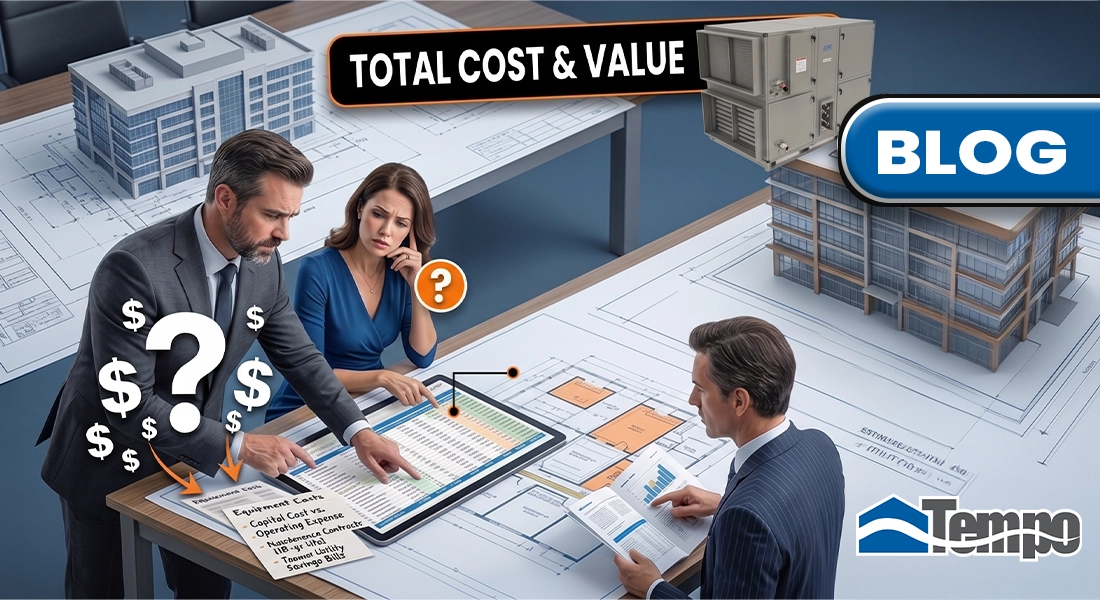
For builders, the crucial question isn’t simply, “Which proposal is cheaper?” but rather, “Which proposal provides the best overall value for our project?”
When home builders evaluate HVAC proposals, the first figure that typically catches their eye is the bid price. While this number is significant, it doesn’t always provide a complete picture of the system’s total cost or its eventual impact on the project.
Builders will probably have several proposals for similar equipment at varying prices, but the details behind each bid can differ greatly. One proposal might encompass comprehensive system design, detailed load calculations, field coordination, supervision, startup procedures, and thorough quality-control checks. In contrast, another might only address the equipment and installation. While opting for a lower initial bid may seem attractive, it can result in higher expenses down the line due to change orders, rework, schedule delays, callbacks, or homeowner complaints.
The True Cost Begins with Thoughtful System Design
Your HVAC system’s performance is determined long before any equipment is installed. To create an effective system strategy, consider essential factors such as the size and layout of your home, Insulation and window performance, Building orientation, Ceiling heights, Ductwork requirements, Airflow, Ventilation, Equipment location, Climate conditions, and more.
It’s crucial to remember that homes of similar square footage can have vastly different heating and cooling needs. Elements like architectural design, sun exposure, insulation quality, window types, and ceiling heights significantly impact your system’s requirements.
Selecting HVAC equipment based solely on general assumptions can lead to a system that is either oversized or undersized. An undersized system will struggle to maintain comfort during peak demand, while an oversized one may cool your home too quickly, leading to inadequate humidity control.
Proper HVAC system design helps builders protect project margins by reducing the risk of costly callbacks, warranty claims, performance issues, and post-construction corrections. It also supports more predictable operating performance and strengthens the property’s long-term value. Homeowner comfort and satisfaction remain important outcomes, but a lower-risk project with fewer unexpected costs and stronger overall returns is always a plus from an investment perspective.
Installation Quality Affects Long-Term Performance
Equipment specifications are only part of the HVAC system’s value.
The installation can influence how effectively that equipment performs throughout its service life.
Important installation considerations include:
- Duct sealing
- Airflow setup
- Refrigerant charging
- Drainage
- Equipment placement
- Filter accessibility
- Controls
- System startup
- Final testing
Two contractors may install the same model of equipment, but results may differ depending on installation quality and field supervision.
Poor airflow, duct leakage, incorrect setup, or limited service access can reduce performance and lead to future concerns.
Builders should evaluate not only the proposed equipment, but also the process the contractor uses to install, inspect, and verify the system.
The Financial Value of Construction Coordination
HVAC installation does not occur in isolation; it is closely linked to the overall project. Various elements such as ductwork, refrigerant lines, drains, electrical connections, plumbing, framing, roofing, insulation, and structural components often compete for the same space.
A contractor with strong construction coordination skills can identify potential conflicts before they escalate into field problems. In contrast, poor coordination can lead to several issues, including:
- Installation rework
- Modifications to framing
- Delayed inspections
- Interruptions in the schedule
- Last-minute design changes
- Inconsistent solutions among different homes
While these challenges may not be included in the initial bid, they can significantly increase the final cost of the project. Therefore, effective coordination, communication, and field management should be regarded as essential components of a contractor’s overall value.

A Thoughtful Approach to Energy PerformanceHigher-efficiency
When it comes to energy performance, careful evaluation is key to making the best decisions. While higher-efficiency equipment can sometimes require a larger upfront investment, opting for the lowest-priced system isn’t always the best way to achieve long-term value. Builders should consider a range of factors, including project requirements, code compliance, home design, buyer expectations, climate, utility costs, and market positioning. Finding the right balance between cost, performance, and energy efficiency truly matters.
Engaging with an HVAC contractor like Tempo Mechanical can provide valuable insights into the differences among options, helping builders make informed decisions that benefit everyone involved.
Callbacks and Warranty Concerns Are Part of the Cost
HVAC costs don’t end at installation. Comfort issues, poor airflow, noise, drainage problems, or limited service access can lead to warranty claims, callbacks, added labor, and homeowner dissatisfaction.
Even small design oversights, like poor filter placement or restricted equipment access, can create ongoing expenses for the builder.
A system that emphasizes both serviceability and performance minimizes future headaches and safeguards your reputation and margins!
Equipment Availability and Compatibility Matter
Lastly, it’s wise to consider equipment availability, refrigerant transitions, lead times, and manufacturer support when making HVAC decisions. A great deal can turn into a challenge if the equipment is hard to source or subject to changes. Confirming availability and compatibility before moving forward ensures smoother project execution.
How Builders Can Compare HVAC Bids
When comparing HVAC bids, builders should consider more than just the final price. Here are some important questions to ask:
- Are the equipment specifications equivalent?
- Are load calculations and duct designs included?
- What installation standards will be followed?
- Who will supervise and verify the work?
- Are startup and airflow checks included?
- How will equipment lead times be managed?
- What items are excluded from the proposal?
- How are design changes and change orders handled?
- What warranty and callback support is provided?
- Can the contractor meet the required production schedule and volume?
These questions can help uncover important differences between proposals that may initially seem similar.
Lowest Price and Best Value Are Not Always the Same
Choosing an HVAC proposal based solely on price is a common mistake, the most cost-effective option isn’t always the best. The most effective proposal delivers exceptional overall value. This includes precise design, top-notch installation, reliable scheduling, effective coordination, long-lasting performance, and minimized risk of future issues.
The objective isn’t just to spend wisely; it’s to understand the true costs associated with each option over the project’s life span.
Evaluate the Complete HVAC Investment
HVAC decisions go far beyond mere equipment costs, they significantly impact schedules, coordination, comfort, warranty considerations, and long-term performance. By considering the entire scope of the project rather than fixating on the initial price alone, builders can significantly reduce risks and achieve superior project outcomes.
Tempo Mechanical empowers builders to make informed evaluations of HVAC systems, prioritizing design, feasibility, installation quality, and long-term performance.