

If you’ve ever wondered why your HVAC system struggles to maintain temperature during extreme heat, the answer lies in what professionals call the 1% Rule.
In regions like the Dallas-Fort Worth metroplex, HVAC systems for single-family homes are engineered with very specific performance targets. Understanding this principle is key for both builders and homeowners to set the right expectations around comfort, efficiency, and system performance.
What Is the 1% Rule in HVAC?
The 1% Rule refers to how HVAC systems are designed based on historical weather data. In simple terms, systems are engineered to maintain indoor comfort under conditions that occur 99% of the time, not during extreme, rare weather events.
In Dallas-Fort Worth, this means most HVAC systems are designed to maintain an indoor temperature of 75°F when the outside temperature reaches 100°F.
Because temperatures exceed 100°F less than 1% of the time in a typical year, designing systems for more extreme conditions would lead to inefficiency, higher costs, and performance issues.
Why HVAC Systems Are Not Designed for Extreme Heat
It might seem logical to design systems that can handle the absolute hottest days — but in practice, that creates more problems than it solves.
Oversized systems often result in:
- Higher installation and equipment costs
- Poor humidity controlShort cycling (frequent on/off operation)
- Increased energy consumption
Instead, HVAC systems are carefully sized using industry standards such as Manual J, Manual S, and Manual D, ensuring optimal performance under normal operating conditions.
How HVAC Systems Are Properly Sized
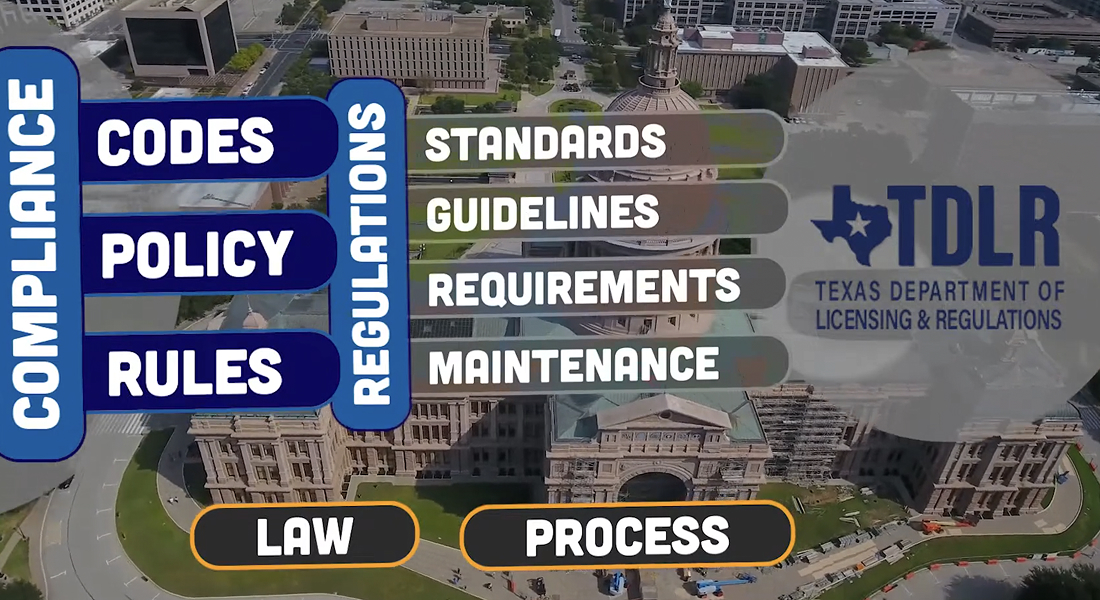
Every home installed by Tempo Mechanical is engineered according to the requirements set by the Texas Department of Licensing and Regulation (TDLR), following ACCA standards.
These calculations consider multiple factors, including:
- Home size and layout
- Window type and quantity
- Insulation levels
- Equipment specifications
- Orientation of the home (sun exposure)
This ensures each HVAC system is tailored specifically to the home, not overbuilt, not undersized.
Understanding HVAC Performance and the 1% Rule
Your HVAC system is designed to keep your home comfortable under normal conditions, not extreme ones. On most days, when outdoor temperatures are below 100°F, your system should maintain around 75°F indoors with balanced humidity between 40% and 60%. This is considered normal performance and reflects a properly designed and installed system.
However, when temperatures rise above 100°F, your system is operating beyond its design conditions. During these rare heat events, it’s normal for the system to run longer, struggle to reach the set temperature, or allow indoor temperatures to rise slightly. This doesn’t mean the system is failing, it’s performing exactly as intended based on industry standards and proper system sizing.
It’s important to understand when something is truly wrong. If your system doesn’t turn on, blows warm air when cooling is needed, or the temperature continues to rise while running, there may be an actual issue that requires attention. In more urgent cases , such as water leaks or when a home with a single system faces high outdoor temperatures, immediate service may be necessary.
Some situations, like uneven temperatures or hot spots in certain rooms, are more common and usually not emergencies. These are often related to airflow and can be resolved with adjustments that improve system balance and performance over time.
Keeping your system in good condition also plays a major role. Regularly changing air filters, keeping outdoor units clean, and maintaining consistent thermostat settings can significantly improve efficiency and prevent unnecessary issues. HVAC systems are designed to run steadily, not to constantly turn on and off.